
It appears in diagnoses, lab results, and clinical notes to indicate alcohol. Chronic heavy drinkers also risk alcohol dependence or addiction, with potential social or occupational harm. With this insight, you can more confidently navigate discussions about your own consumption, medical care, or the interplay of alcohol with various conditions. Medical detox involves a medically supervised detoxification process during which individuals are provided medications that help to soothe withdrawal symptoms. Doctors monitor patients during this phase so they can promptly address withdrawal symptoms if they become severe. The length of medical detox can vary based on the length of use and other factors, but it typically lasts three to 10 days.
- It is frequently used in clinical documentation as shorthand to refer to alcohol use, intoxication, or history of alcohol consumption.
- By delving deeper into its scientific, medical, and societal aspects, we aim to provide a comprehensive understanding of this important term.
- Notes such as “hx of EtOH” (history of ethanol use) or “EtOH abuse” often appear in charts, especially in emergency or psychiatric settings.
- The accuracy and method of ETOH testing can vary based on the sample type and testing equipment used.
Symptoms of ETOH Abuse
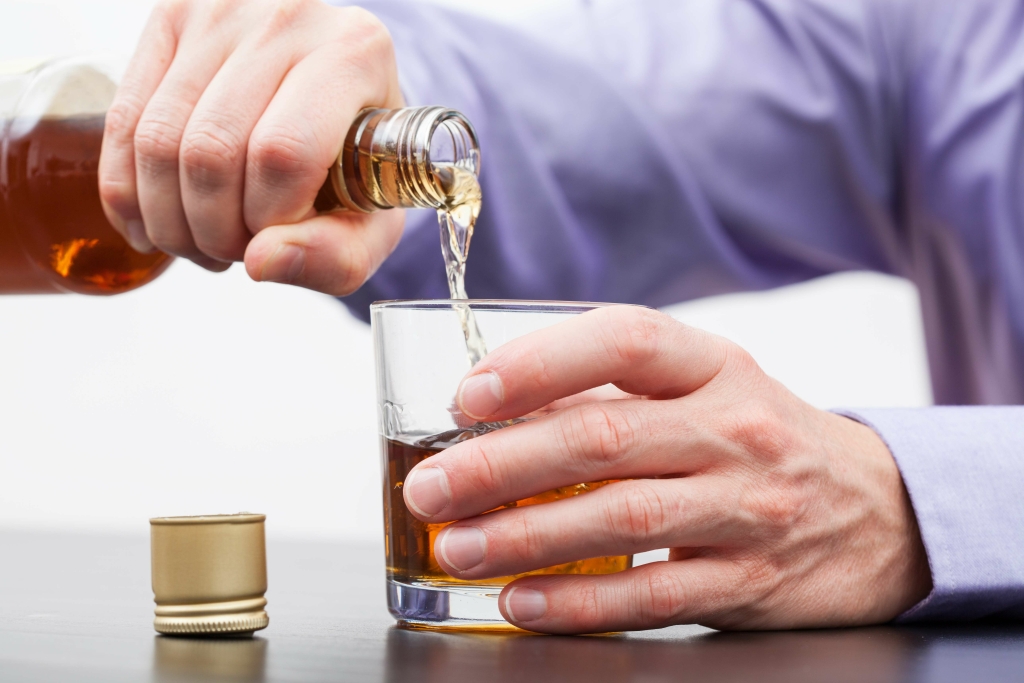
Known as alcohol, Etoh is a depressant leading to dependence and health issues. A set program manages withdrawal symptoms via etoh detox, under medical guidance with proper medication and care to minimize discomfort define etoh and withdrawal risks. After detox, emphasis shifts to long-term recovery strategies like psychotherapy and support groups, focusing on psychological addiction aspects.
EtOH Medical Abbreviation
EtOH is the chemical abbreviation for ethyl alcohol, the active ingredient found in alcoholic beverages. Derived from the formula C2H5OH, EtOH is the type of alcohol humans consume. In medical and clinical settings, EtOH is often used to describe alcohol intoxication, alcohol abuse, or other alcohol-related conditions.
Long-Term Effects of ETOH Abuse
Read here to learn more about alcohol-related symptoms that can lead to death. People who consume grain alcohols and other high ABV beverages may claim they don’t have an alcohol abuse problem as they only drink high percentage drinks in small quantities. As ETOH drinks intoxicate the body faster, even https://oziin.com/strategies-for-building-a-sober-support-network/ when consumed in small amounts, this argument has little weight behind it. Grain alcohol such as Everclear and homemade alcohol like moonshine have comparatively high ABV and proof levels than are found in strong spirits like whisky and rum. This means that even drinking a small amount of these alcohols will raise the body’s blood alcohol concentration (BAC) quickly, inducing an intoxicated state rapidly.
At First what is alcoholism Step Behavioral Health, our team offers personalized, evidence-based programs that range from medical detox to ongoing therapy and support. Our services are designed to help you or your loved one feel better both physically and emotionally, while also working through the deeper reasons behind the addiction. Reach out to us today to learn more about how we can help you take the first step in your healing journey. EtOH abuse can be difficult to manage alone, especially when someone is experiencing dependence or withdrawal symptoms. For many people, the decision to seek help comes after months or even years of trying to manage it on their own. That struggle can feel isolating, but fortunately, recovery isn’t something anyone has to face by themselves.
This may include behavioral therapies, such as counseling and support groups, as well as medication-assisted treatment. The most appropriate treatment will depend on the individual’s specific needs and circumstances, and a healthcare professional can provide guidance on the best options. The distillation process likely originated between the 10th and 14th centuries. During this time, the “spiritual” effects of ethanol were recognized, leading to the term “spiritus” for alcoholic drinks. For industrial and commercial uses other than alcoholic beverages, ethanol is denatured by adding substances like methanol, pyridine, formaldehyde, or sublimate.
Standing Strong: Why Patient and Nurse Advocacy Matters
- Psychological support is essential for addressing the underlying causes of ETOH abuse and helping individuals develop healthier coping mechanisms.
- Nurses use ETOH information for various purposes, such as assessing a patient’s risk of alcohol-related complications, adjusting medication dosages, and planning interventions for alcohol withdrawal symptoms.
- It is considered a universal solvent, as its molecular structure allows for the dissolving of both polar, hydrophilic and nonpolar, hydrophobic compounds.
- Nurses and clinicians use EtOH for efficient communication in high-pressure environments, such as emergency departments and psychiatric wards.
- Understanding the structure of ethanol helps us appreciate not just its chemical identity but also its widespread utility in our lives.
Unfortunately, alcohol abuse or EtOH abuse can lead to the development of an alcohol use disorder. Alcohol poisoning is a severe form of acute intoxication that occurs when the blood alcohol concentration (BAC) reaches dangerously high levels. This condition can result in loss of consciousness, hypothermia, respiratory arrest, and death if not treated promptly. Nurses play a crucial role in identifying and managing alcohol poisoning, which often requires supportive care such as airway management, intravenous fluids, and monitoring of vital signs. It is a colorless volatile liquid that is highly flammable and soluble in water.
Acute Effects of ETOH
A typical adult can process about one standard drink per hour, though individual variances—genetics, chronic usage, gender—can shift that rate. Roughly 5–10% of ingested ethanol is excreted unchanged via breath, sweat, or urine. When found noted on a medical record, it indicates the presence of alcohol on the breath of a patient.
Dehydration of the constant-boiling-point mixture yields anhydrous, or absolute, alcohol. Ethanol intended for industrial use is usually denatured (rendered unfit to drink), typically with methanol, benzene, or kerosene. Relapse prevention planning helps you avoid drinking when you are craving alcohol. You’ll learn about potential triggers for relapse and what coping mechanisms to use to prevent yourself from drinking. You might also create a plan of action to use in case you return to EtOH abuse, like going back to rehab or attending medical detox.
 English
  Chinese